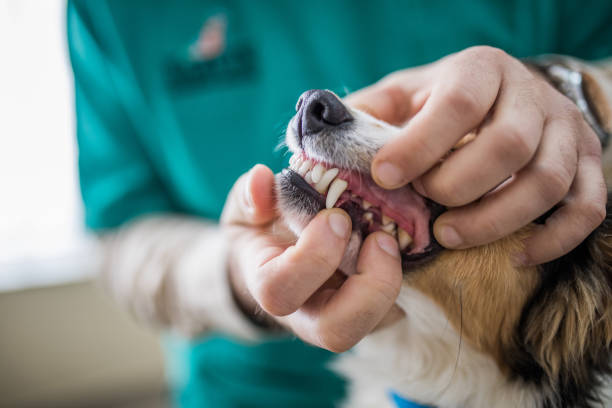
Let’s Break It Down: Why Is Your Dog Itching?
Itchy skin is one of the most common reasons dog owners come to us at BTB Dog Supplies — but figuring out the root cause isn’t always straightforward.
Let’s explore the top culprits behind the itch.
1. Allergies – Are they your dogs trigger of an itch?
Often the first thing people suspect, but allergies aren’t always to blame. That said, dogs can be allergic/intolerant to a wide range of things — and their bodies often show it through skin reactions.
Here are the main types of allergies we see and some useful tips for combating these/ eliminating them as a cause.
Environmental Allergies
Things like pollen, dust mites, mold spores, and grasses, can be some of the environmental issues that trigger your dog . Often displaying as itchy skin, inflamed paws, or repeated ear infections.
Some things you can try to help overcome Environmental Allergies.
Invest in an air purifier, they are game changers for taking nasties out of the air and leaving you with cleaner air for both you and your pets.
Anti Histamine – There are lots of pet friendly anti histamine medications on the market (Please ensure to contact your Veterarian to ensure it is safe to admister to your pet). There is also natural anti histamines such as Quercertin, which has very good results with dogs.
Washing your dog (Espescially their paws and underbelly) after contact with grass and high pollen areas.
Keep a clean house (its hard with day to day life, we get it) but dust mites are so tiny and we will never get rid of them, but keeping on top of housework will help.
Keep your house well ventilated during the winter months to prevent mould build ups.
Change your dog onto a raw or fresh diet, to avoid the likelihood of mould particles being within their food.
Food Allergies/ Intolerances
Food triggers can be a huge range of things, but from experience it is clear that chicken and beef are the main causes of dogs intolerances. Dairy (excluding Goats milk as this is alot gentler) and some grains can also be the cause of an allergic reaction. Which is crazy, when the vets recommend for you to feed chicken and rice to a dog with an upset stomach…
Some of the things you may see if your dog has a food intolerance is scratching, ear infections, excessive paw licking, or pink paws, loose stools or sickness.
Yeast can also be linked to food issues, particuarly if your dog is being fed a high sugar/carb diet which creates the perfect environment for yeast to grow.
To seek whether the itchiness is caused by food stuffs, the best way to start is by removing all high carb foods (carrots, potatoes, high sugar fruits, rice etc) and all chicken and beef products, (make sure to check the ingredients for products as chicken is hidden in too many products). Give it roughly 6 weeks to see whether things improve. If the issues still persist then it maybe worth looking at starting an elimination diet with your dog.
Contact Allergies
In our homes and in our surrouding environments, there are so many things that our dogs come into contact with.
These could be things like cleaning products, certain fabric types, grooming products, perfumes and more.
Unfortunately they are harder to pinpoint, as what we think of as being a “tiny bit of perfume” on our clothes, can really impact some dogs.
Use natural cleaning products where you can. We highly recommend the Ingenious Probiotic products for all your cleaning.
Reduce perfumes and stick to more natural grooming products.
Fabrics are harder to pin point, but we have known dogs who have been sensitive to polyester materials before.
💡 Most owners are convinced their dog has a food allergy — but honestly, it’s not always the case.
2. Parasites: The Tiny Terrors
Fleas are the obvious ones, but they’re not the only pests to worry about.
- Even a single flea bite can trigger flea allergy dermatitis, leaving your dog miserably itchy — even if you never see a flea.
- Mites and ticks can burrow into the skin and cause serious irritation, hair loss, or infections.
- Some mites (like those causing mange) require urgent vet care, so don’t overlook this possibility.
If you think that a parasite maybe at the root cause of your issues then it is best to visit your vets and ask for a skin scrape, so that they can test the bacterias present on your dogs skin.
3. Infections: When Yeast and Bacteria Move In
We touched on yeast breifly above whilst talking about food reactions.
The increased scratching and exccessive licking can damage your dog’s skin — and damaged skin is an open invitation for bacteria and yeast.
You might notice:
- Hotspots
- Greasy or smelly skin
- Red, scabby patches
- Fur discolouration (especially with yeast)
Yeast infections are more common than most people think, and we see so many dogs dealing with them without realising. They can also cause repeated ear infections and general discomfort.
Tip – reduce carbs/sugar and increase things to help with your dogs gut health.
4. Dry Skin: The Silent Itch Trigger
Dry, flaky skin can be just as uncomfortable for dogs as it is for us. It often gets worse in winter (hello, central heating) or when essential fatty acids are lacking in the diet.
- Overbathing or using harsh shampoos can also strip the skin of its protective oils.
You can use coconut oil externally to help restore some oils back into the coat/onto the skin. Coconut oil is also antibacterial and anti inflammatory and will help to heal the skin, whilst being gentle.
- Even raw-fed dogs can miss out on balanced fats if we’re not mindful. This is why feeding a good range of proteins is vital for your dogs health. We should also be adding a source of oily fish and eggs into their diet, which will boost their intake of omegas and help with their coat and skin health.
Don’t fear fat — dogs need healthy fats for skin health, coat condition, and overall wellbeing.
5. Vacinations
Like with any medical intervention, there can sometimes be side effects — and the skin is one of the first places you may notice a reaction.
- Lumps or swelling if your dog has been vacinated by injection.
- Itching and redness around the area
- Hives
- Hair Loss
- Pigment Changes
- Abscess or infection in area of injection
Its always worth noting when your dog was vacinated, flea’d or wormed so that you can assess whether this has something to do with the skin problems you are dealing with, it maybe that you are able to switch for a different brand or a more natural alternative.